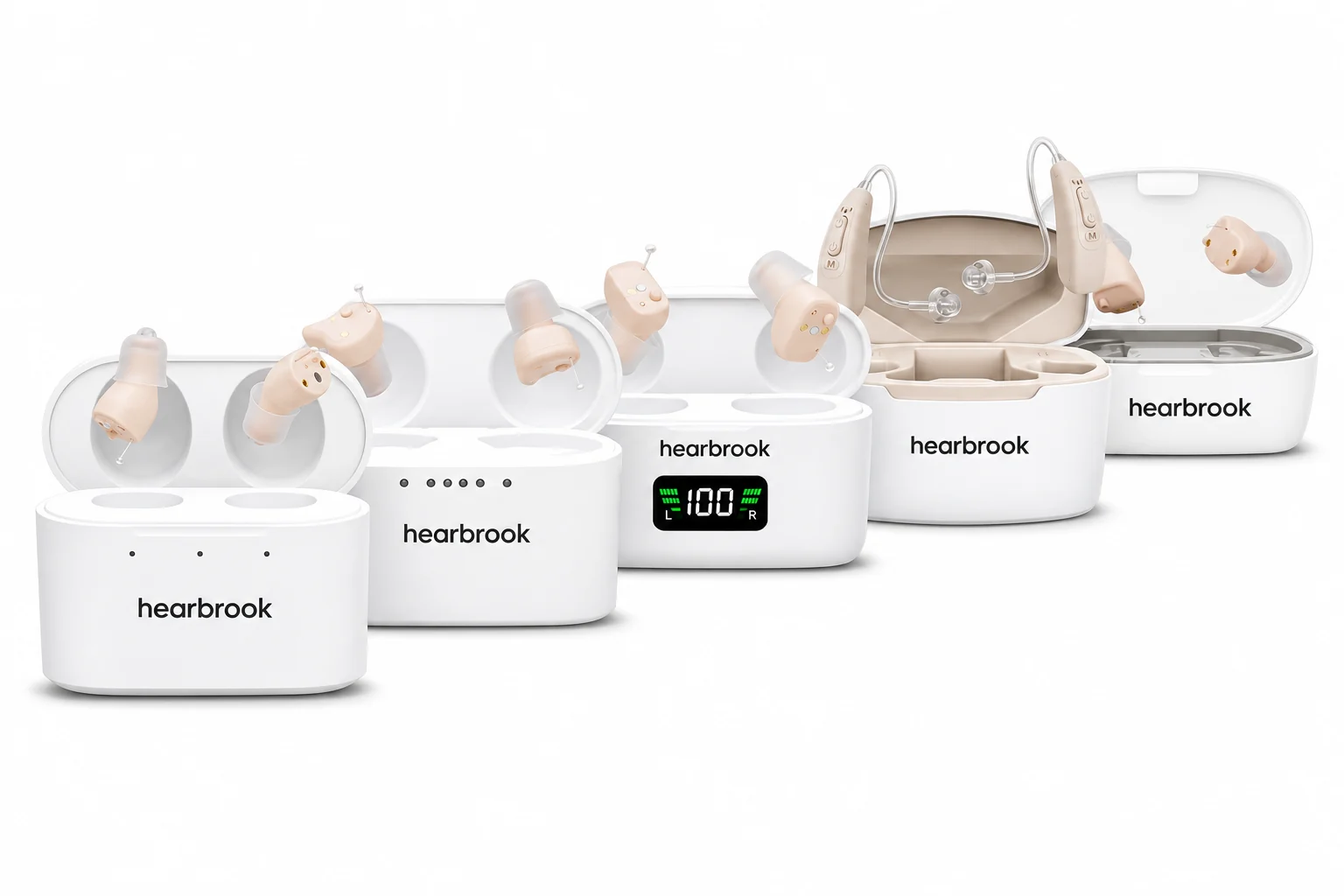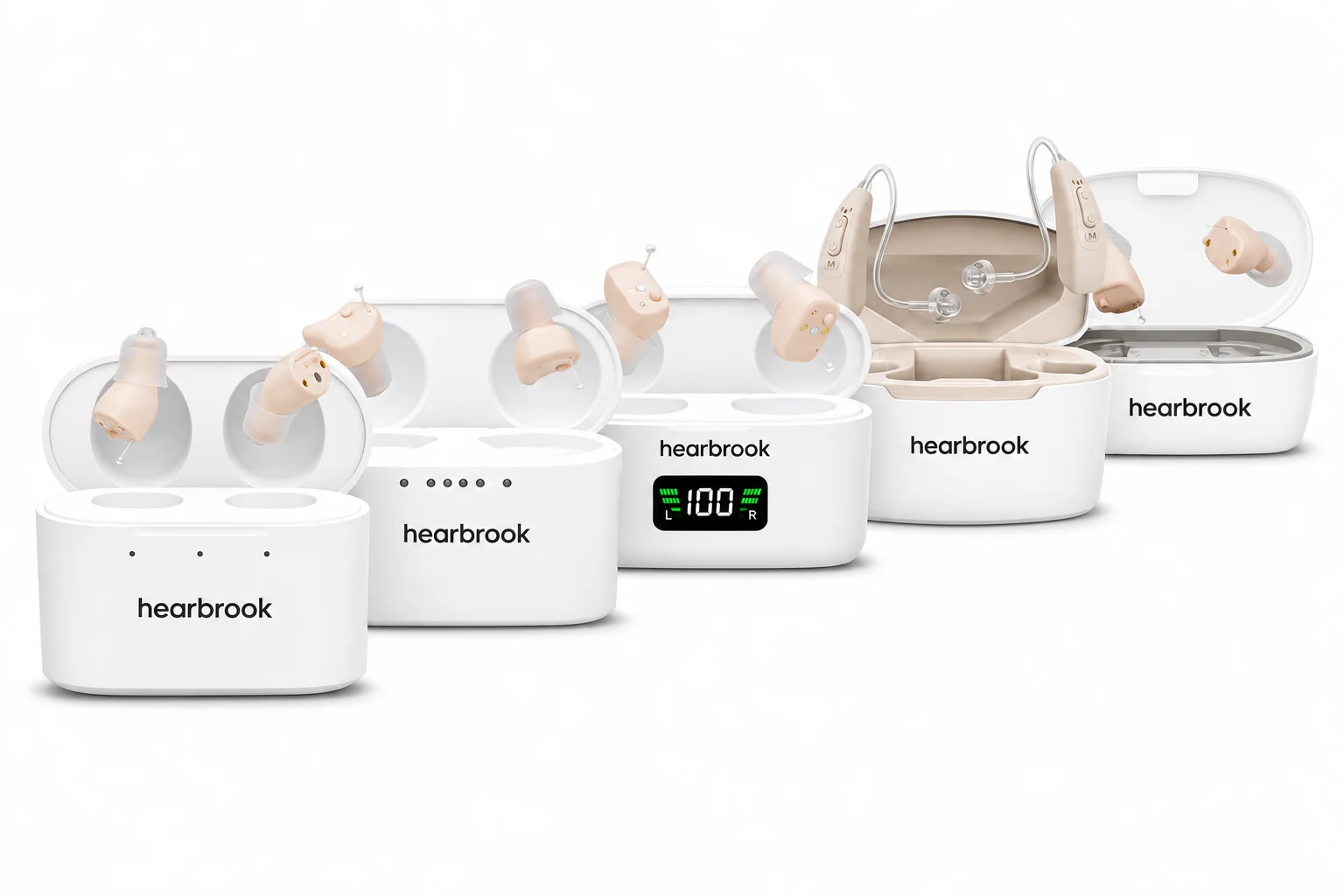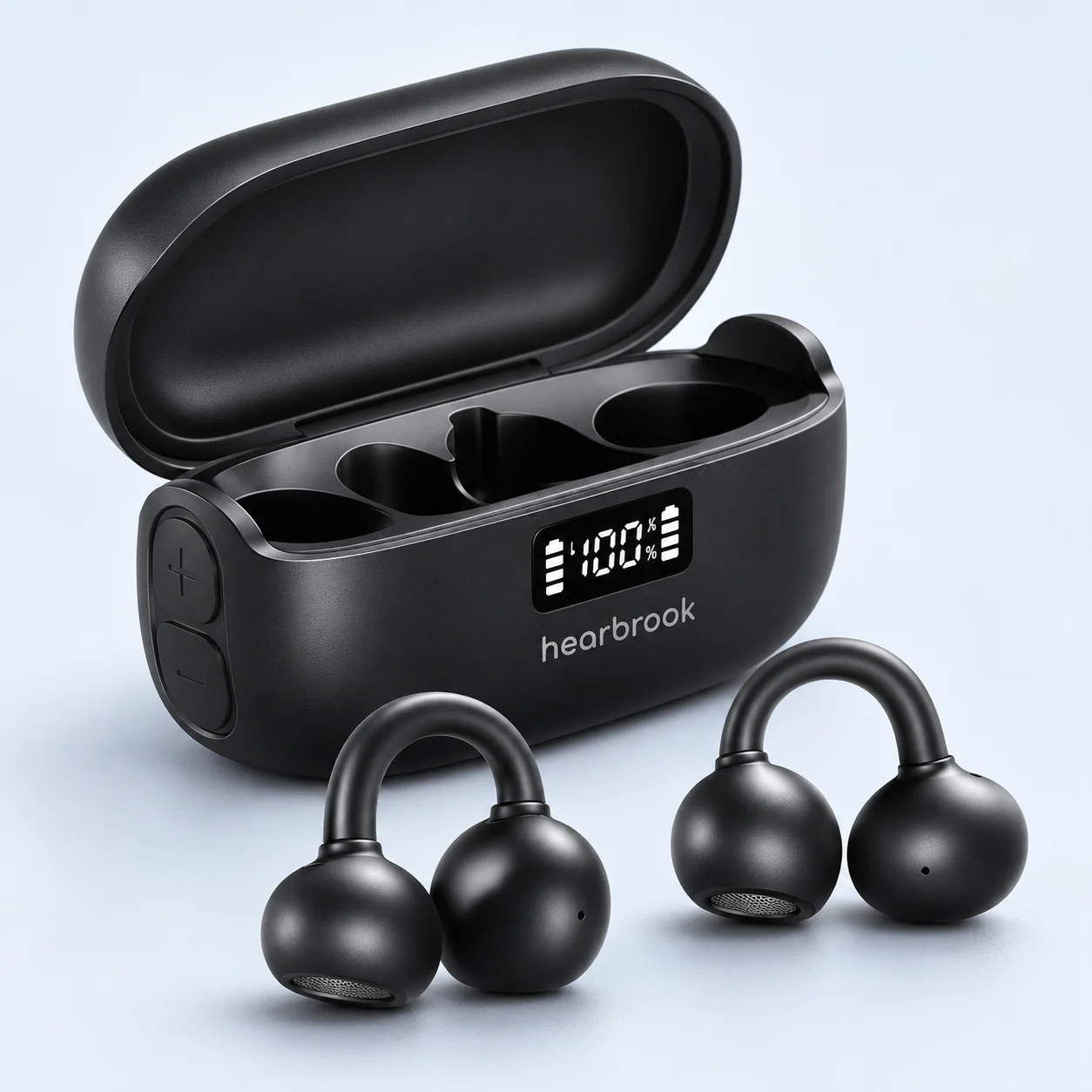
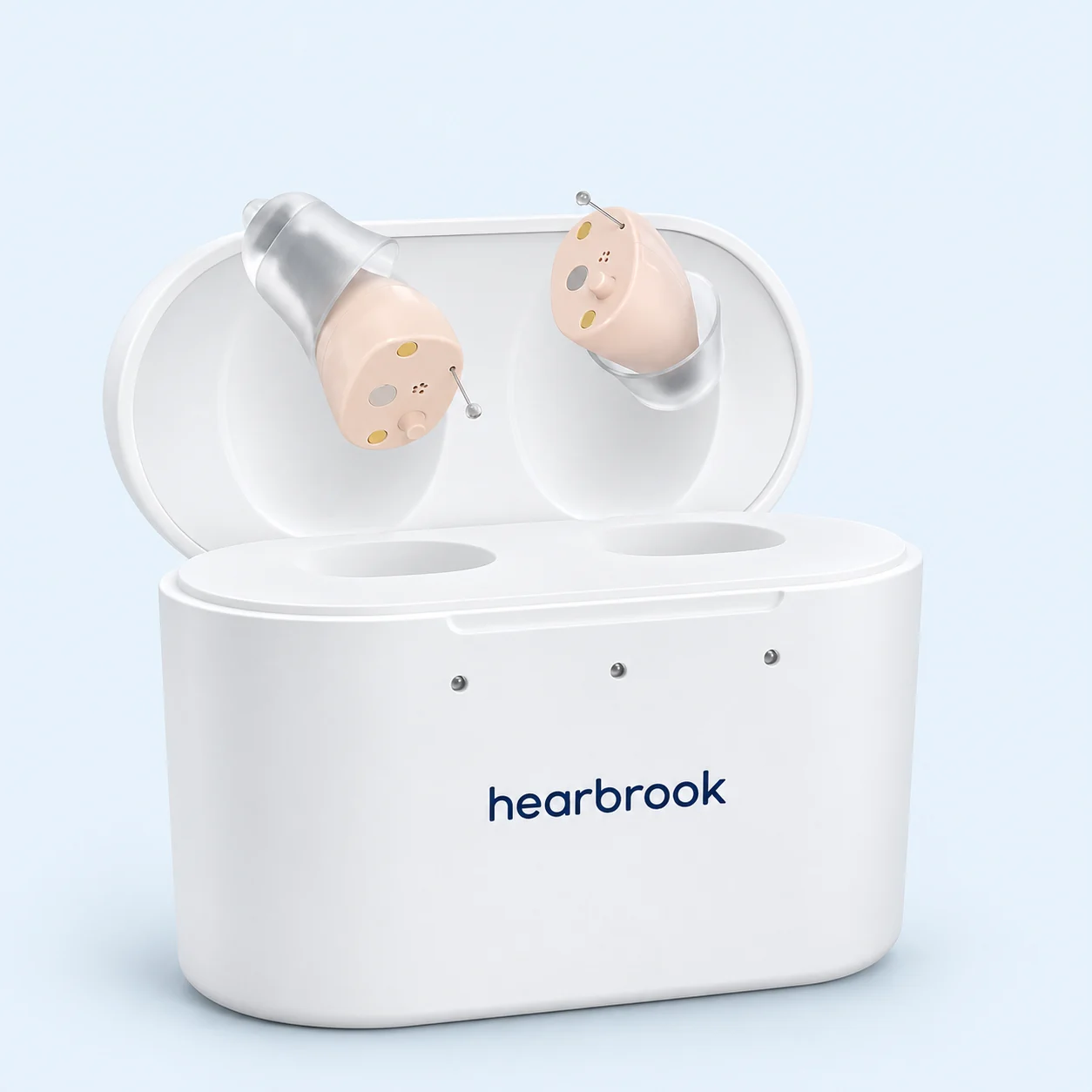
A hearing aid is intended to help compensate for hearing loss. A personal sound amplification product, or PSAP, is intended to make selected sounds louder for people without hearing impairment. Similar appearance, online availability, and an adjustable volume control do not make the categories interchangeable.
What to keep in mind
- Read intended-use labeling, not just the headline on a marketplace listing.
- A rechargeable case or wireless feature does not identify the product category.
- Ask the seller to resolve inconsistent product descriptions before buying.
Why similar photographs can describe different products
The FDA explains that PSAPs are not intended to compensate for hearing impairment, while hearing aids are medical devices. That is the central distinction. Packaging, a small earpiece, or a picture of an older model cannot establish which intended use applies. The product description and instructions need to say it clearly.
When browsing, do not use the word “amplifier” alone to settle the question either. Amplification describes a function, while the intended use identifies what the product is being sold to do. Read beyond the short headline and check that the detailed description, package labeling, and instructions agree.
Read a listing in a consistent order
Begin with the model name and the seller’s identity. Then look for the intended user and the intended purpose. After that, open the operating instructions. Save the relevant pages together. If the seller cannot provide a model-specific document, you do not yet have enough information to compare that item fairly with another product.
Next, inspect the feature claims. A charging case describes how a device is powered. Bluetooth describes a possible connection method. Neither statement alone answers whether the product is intended for hearing loss. Keep category, features, and compatibility in separate rows on your comparison sheet.
Ask questions that cannot be answered with a slogan
A useful question is: “Does this exact model’s labeling identify it as an OTC hearing aid or as a personal sound amplification product?” Follow that with a request for the instructions and the return policy. An answer about being modern, digital, or popular does not answer the category question.
If the title says “hearing aid” but a disclaimer calls the item a recreational amplifier, ask the seller to explain the inconsistency in writing. Do not resolve the contradiction by choosing whichever statement sounds more attractive. The information needs to be consistent before you can make a considered purchase.
Compare support and suitability separately
A responsive seller can explain a product, but responsive service does not change its intended use. Conversely, a correctly labeled device can still have controls you find inconvenient. Establish the category first, then assess whether you can operate, clean, store, and obtain help for the particular model.
If hearing difficulty is the reason you are shopping and you do not know which category is appropriate, bring that question to a hearing health professional. A shopping comparison can organize the questions you need answered. It cannot establish the cause of a hearing change or determine your hearing needs.
Keep evidence of what you agreed to buy
Save the product name, intended-use description, package contents, order total, and return conditions. After delivery, compare the model printed on the product or package with the model on the order. If they differ, contact the seller before trying to reconcile the instructions yourself.
A mismatch is easier to explain with a clear photo and the original order record. Describe what was advertised, what arrived, and which answer you need: confirmation of the model, replacement with the ordered item, or instructions for returning it. Avoid sharing payment card details in a product support request.
Common questions
Does “sold without a prescription” mean OTC hearing aid?
No. A product can be available without a prescription and belong to a different category. Check the intended-use labeling.
Can a product photograph prove the category?
No. Read the model-specific labeling and instructions before making a decision, then ask the seller to resolve unclear or contradictory statements.
Sources & updates
This guide links to public hearing-health information and practical product-selection resources. It has not been presented as a clinical assessment or an individual treatment recommendation.
- FDA: Other Hearing Devices and Products ↗Accessed 2026-11-13
Find our editorial and corrections policy. Notice something that needs updating? Send a correction.