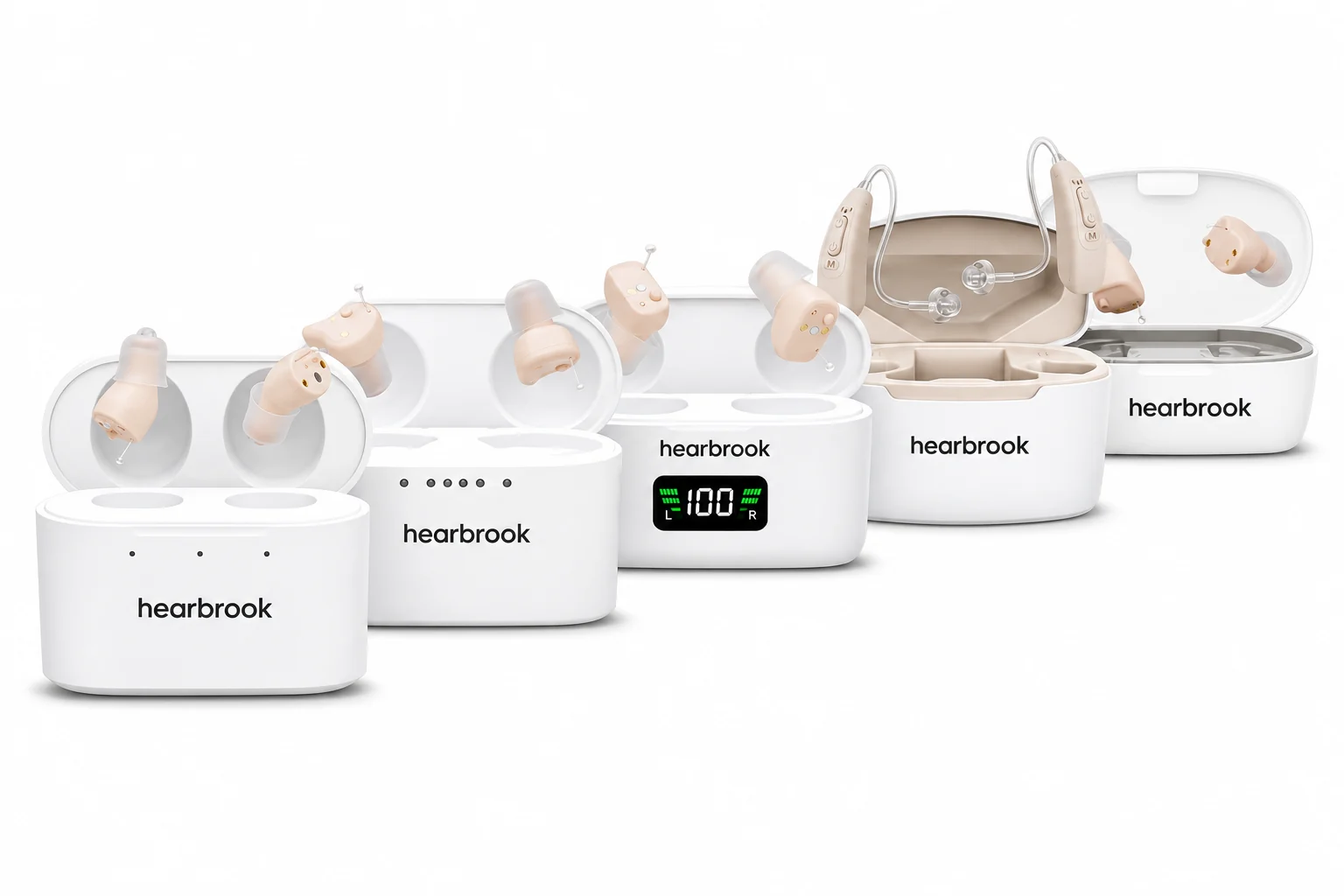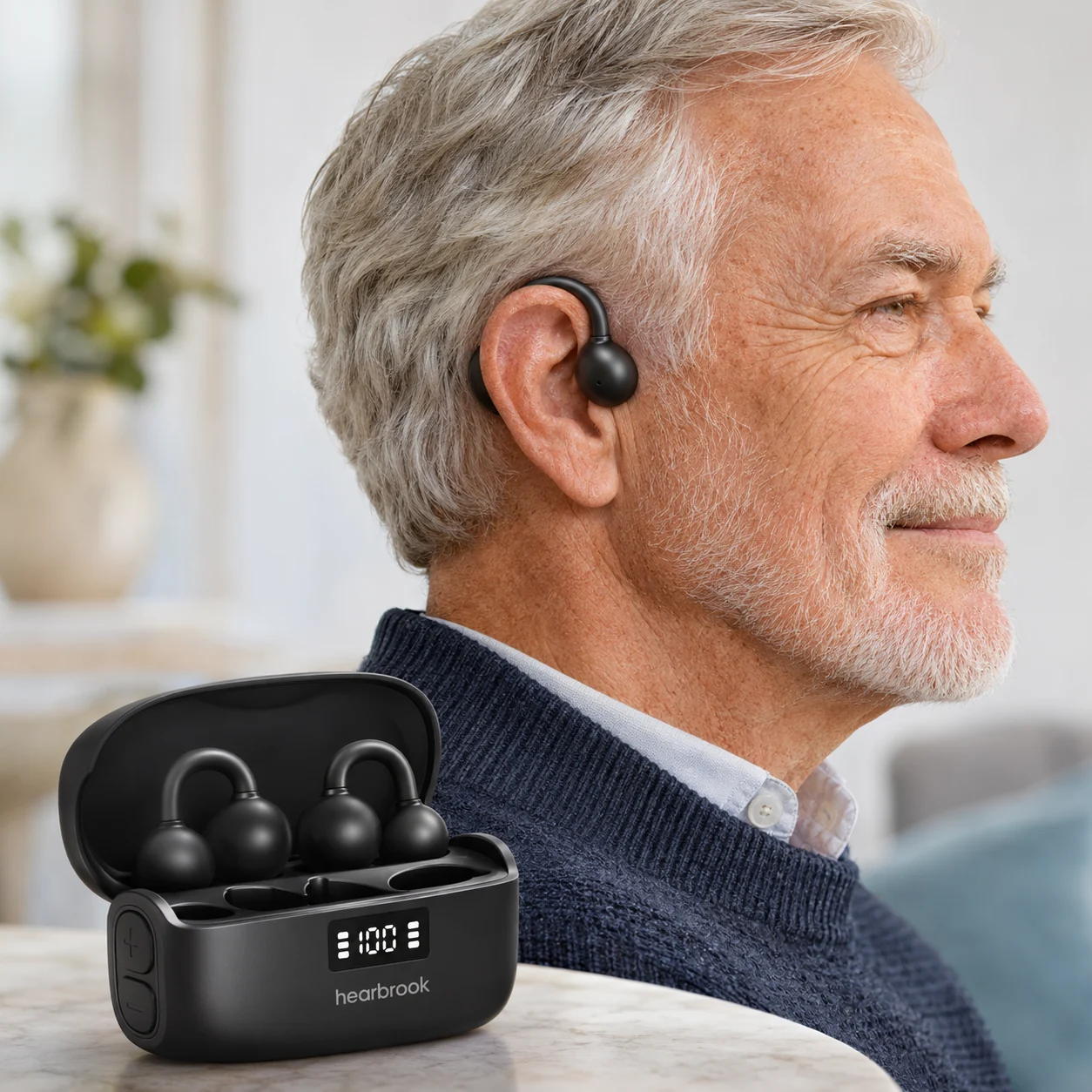
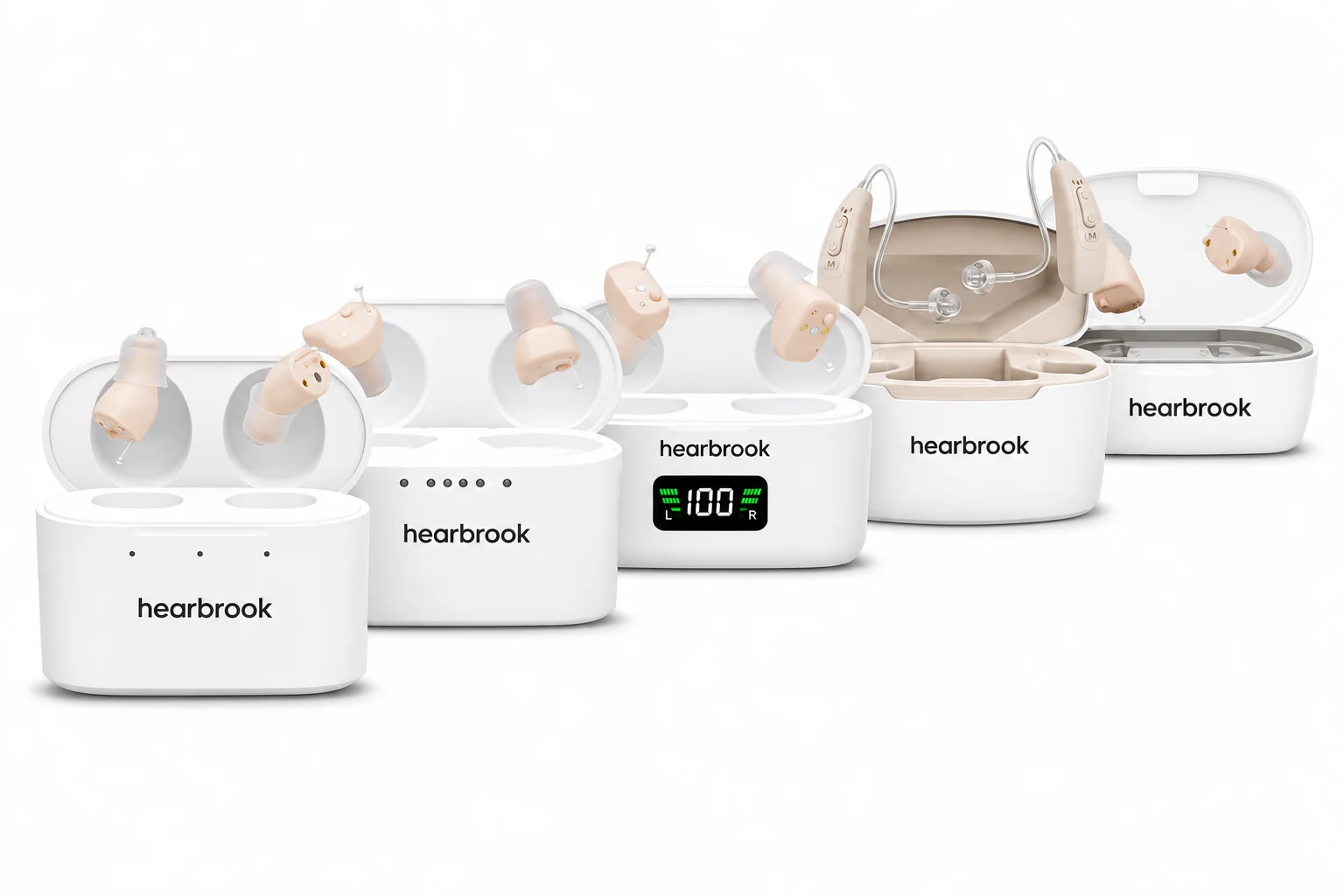
OTC and prescription hearing aids differ in their intended users and purchase process. OTC models are intended for adults with perceived mild to moderate hearing loss; prescription devices are obtained through a licensed hearing professional. Compare the care and services needed for your situation, rather than assuming price or appearance decides the right category.
What to keep in mind
- Compare the device and the services attached to it separately.
- A professional evaluation remains an option when considering OTC.
- Ask for the full cost, support arrangements, and return terms in writing.
Understand the category before judging a price
The FDA’s comparison distinguishes OTC hearing aids from prescription hearing aids and from personal sound amplification products. Prescription hearing aids can be appropriate across a broader range of hearing needs, according to the device’s indications. A low online price does not establish that an OTC device can replace a prescribed solution for a particular person.
Treat an advertised price as the beginning of a comparison. Ask what that price includes: the hearing aid itself, fitting assistance, follow-up adjustments, replacement parts, or a repair arrangement. Record an omitted service as an unanswered question rather than assuming every seller includes it or every professional charges separately.
Separate medical questions from shopping questions
“What type of hearing loss do I have?” is different from “Can I handle this charging case?” A clinician can investigate hearing concerns; a seller can explain a model’s controls and package contents. A product support conversation should not be presented as a diagnosis, even when it is helpful for setup.
Before comparing offers, prepare separate lists. Put symptoms, changes in hearing, and uncertainty about suitability on the clinical list. Put app requirements, tip sizes, charging, instructions, and return logistics on the product list. You can then take each question to the person equipped to answer it.
Compare the service you will actually use
Some shoppers want a local appointment and hands-on assistance. Others prefer to read instructions and adjust a device themselves, with remote product support when needed. Neither preference proves that a particular device is appropriate. It does help reveal which service arrangement you are likely to use rather than leave unused.
If assistance matters, ask who provides it, how an appointment is arranged, what can be adjusted, and what happens when the first attempt is not satisfactory. For a remote service, ask whether the helper needs to see the product on video. For an in-person service, ask what follow-up is included in the quoted amount.
Build a comparison around ownership, not an opening offer
Include the items you expect to need after delivery: approved cleaning tools, replacement tips, a charging cable, repair shipping, and access to instructions. Ask which items are available for the specific model and how to request them. A generic accessory listing is not evidence of compatibility with the hearing aid you are considering.
Compare returns separately from repairs. An unsatisfactory fit, a changed purchase decision, and a device that stops charging are different situations. Find the policy that addresses each one. Save any written exception offered during a sales conversation, and ask that it be confirmed before checkout.
Use a decision record instead of a brand ranking
A useful decision record states the listening problem, the reason for choosing a category, the controls you can operate, the support arrangement, and the return method. If an important row remains blank, pause that comparison and request the missing answer. A long feature list does not compensate for an unanswered suitability question.
When a clinician recommends a prescription approach, ask what need that recommendation addresses and which alternatives were considered. When exploring an OTC approach, keep professional evaluation available if the result is not satisfactory. Choosing a purchase route does not mean committing to the same route indefinitely.
Common questions
Are prescription hearing aids always larger?
No. Category and physical style are separate questions. Compare the actual design and instructions of the models under consideration.
Can I get professional help after buying OTC?
You can seek a professional hearing evaluation. Ask the professional which services they offer for a device purchased elsewhere.
Sources & updates
This guide links to public hearing-health information and practical product-selection resources. It has not been presented as a clinical assessment or an individual treatment recommendation.
- FDA: Hearing Aids ↗Accessed 2026-11-13
Find our editorial and corrections policy. Notice something that needs updating? Send a correction.