Hearing basics
What Are OTC Hearing Aids? A Practical Buying Guide
Understand who over-the-counter hearing aids are for, what to compare, and what to check before choosing a model.
Read the guideWhat the terms mean, what to compare, and what to ask before choosing. A practical starting point for adults considering over-the-counter hearing aids.
Start with the basics →
An over-the-counter hearing aid is a product category, not a promise that every model will suit every listener. The FDA describes OTC hearing aids as an option for adults with perceived mild to moderate hearing loss. Prescription devices and professional assessment remain important for other needs.
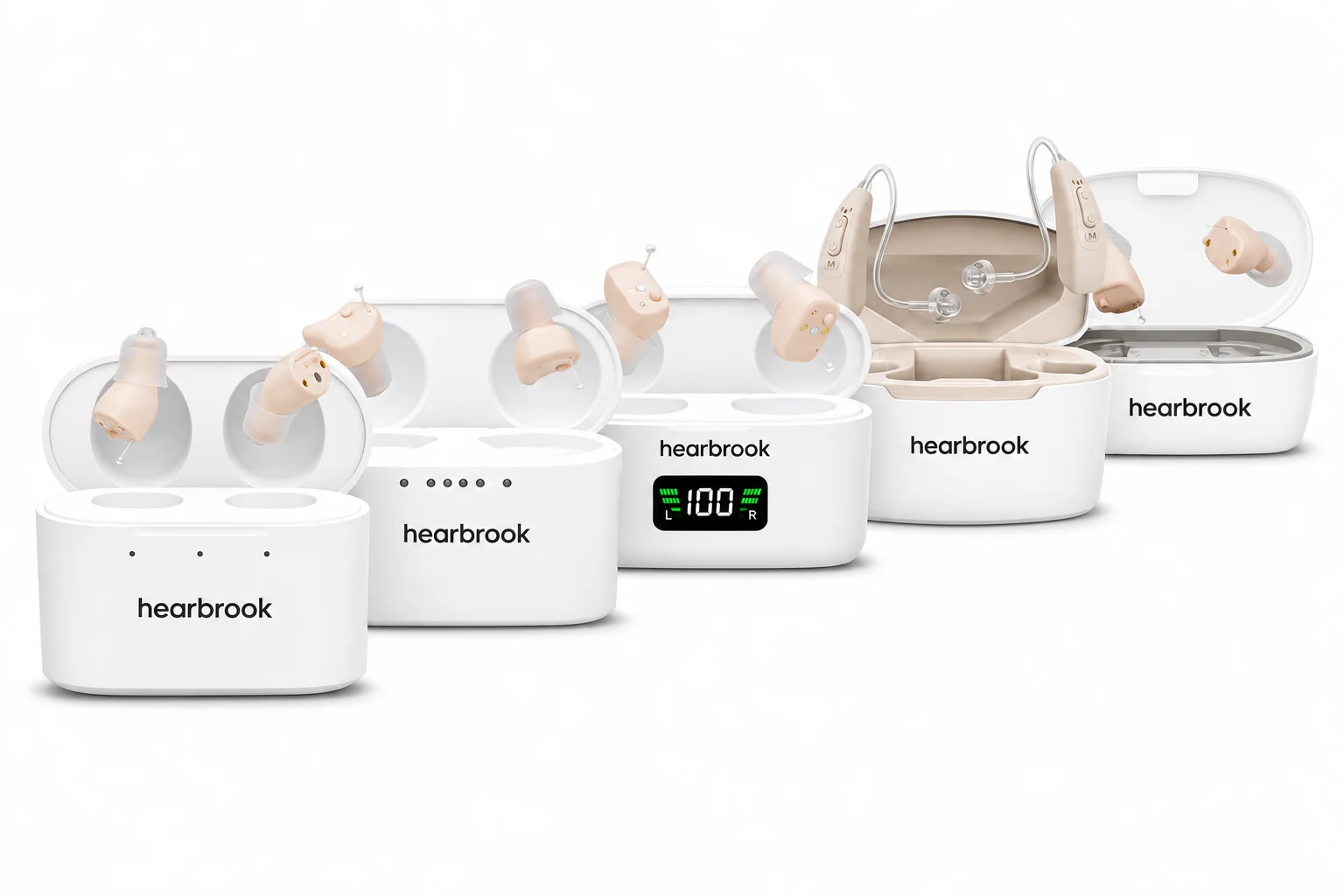
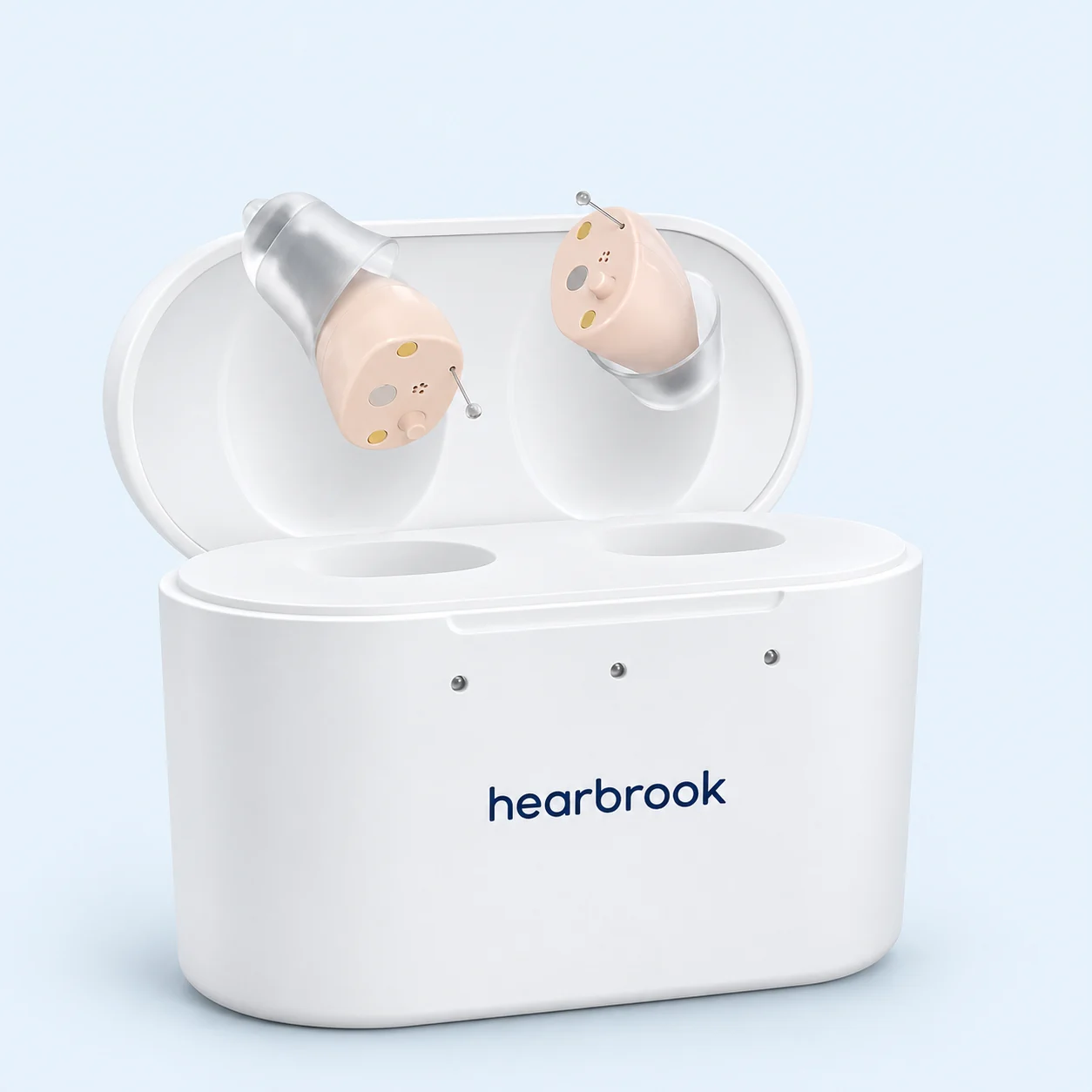
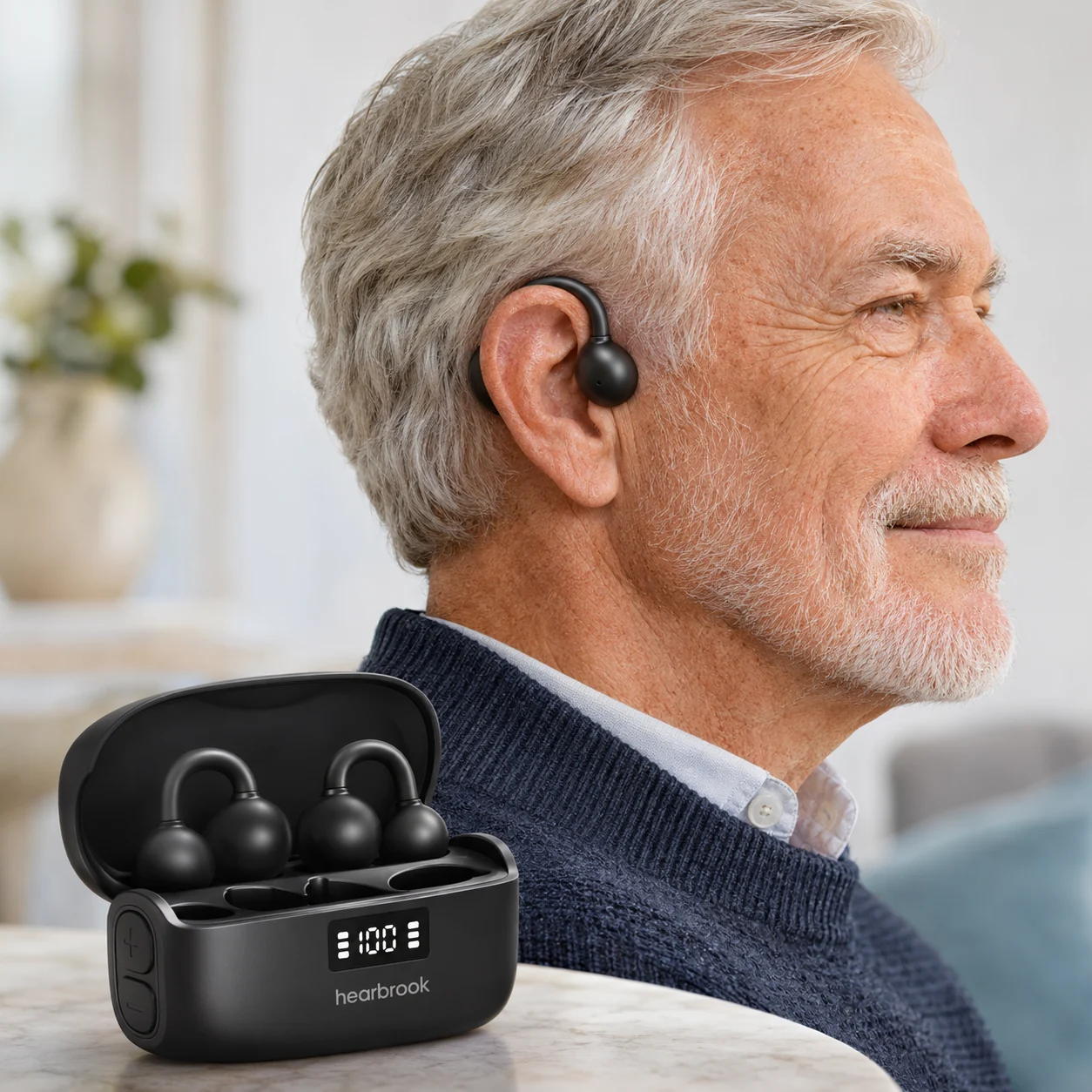
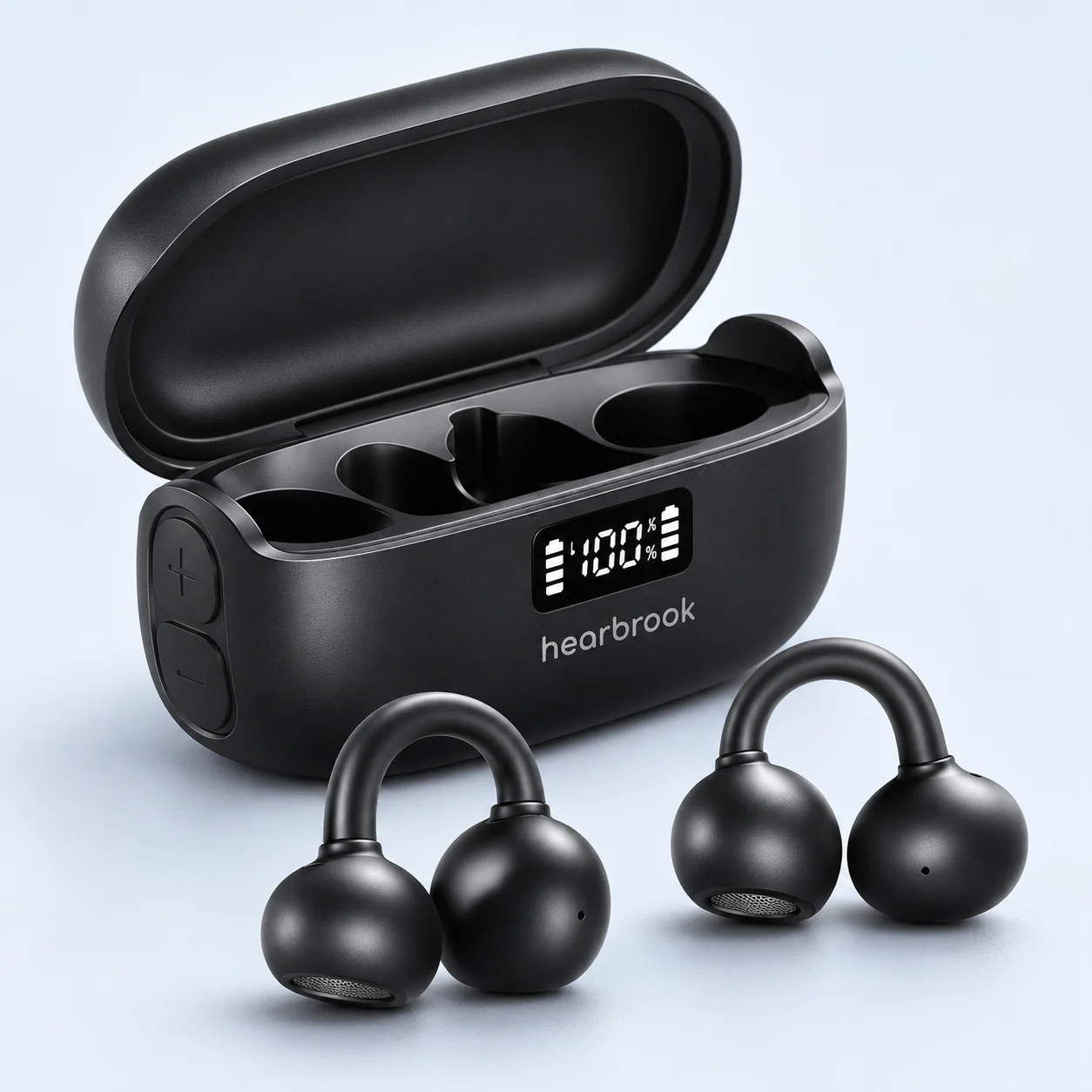
Start with the intended use and the type of support involved. A device that simply makes sound louder is not automatically a hearing aid. An open-ear shape is not automatically a suitable alternative to a fitted prescription device. Compare the product's labeling, controls, return process, and confirmed features.
Understand who over-the-counter hearing aids are for, what to compare, and what to check before choosing a model.
Read the guideCompare OTC and prescription hearing aids by the help provided, daily handling, ongoing service, and written costs.
Read the guideLearn why a sound amplifier is not automatically a hearing aid and how to check a listing before you buy.
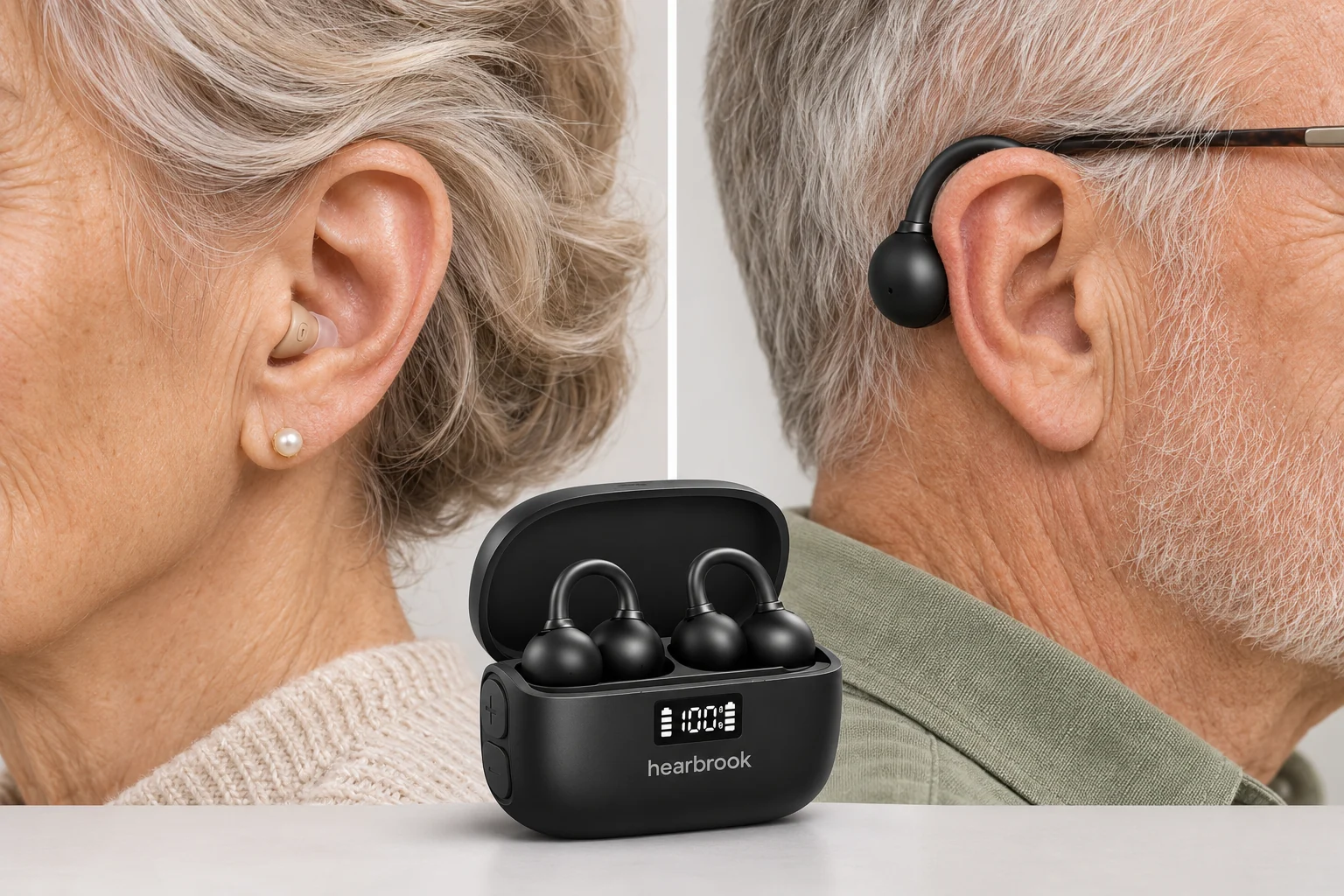
Read the guideA practical guide to comparing in-ear and over-the-ear hearing aid designs, controls, glasses, and everyday handling.
Read the guideWrite down the listening situations that matter: a quiet conversation, the television, a meal with family, or a phone call. Fit, handling, and compatibility can matter as much as the list of features. If someone else will wear the hearing aids, include them in the choice.
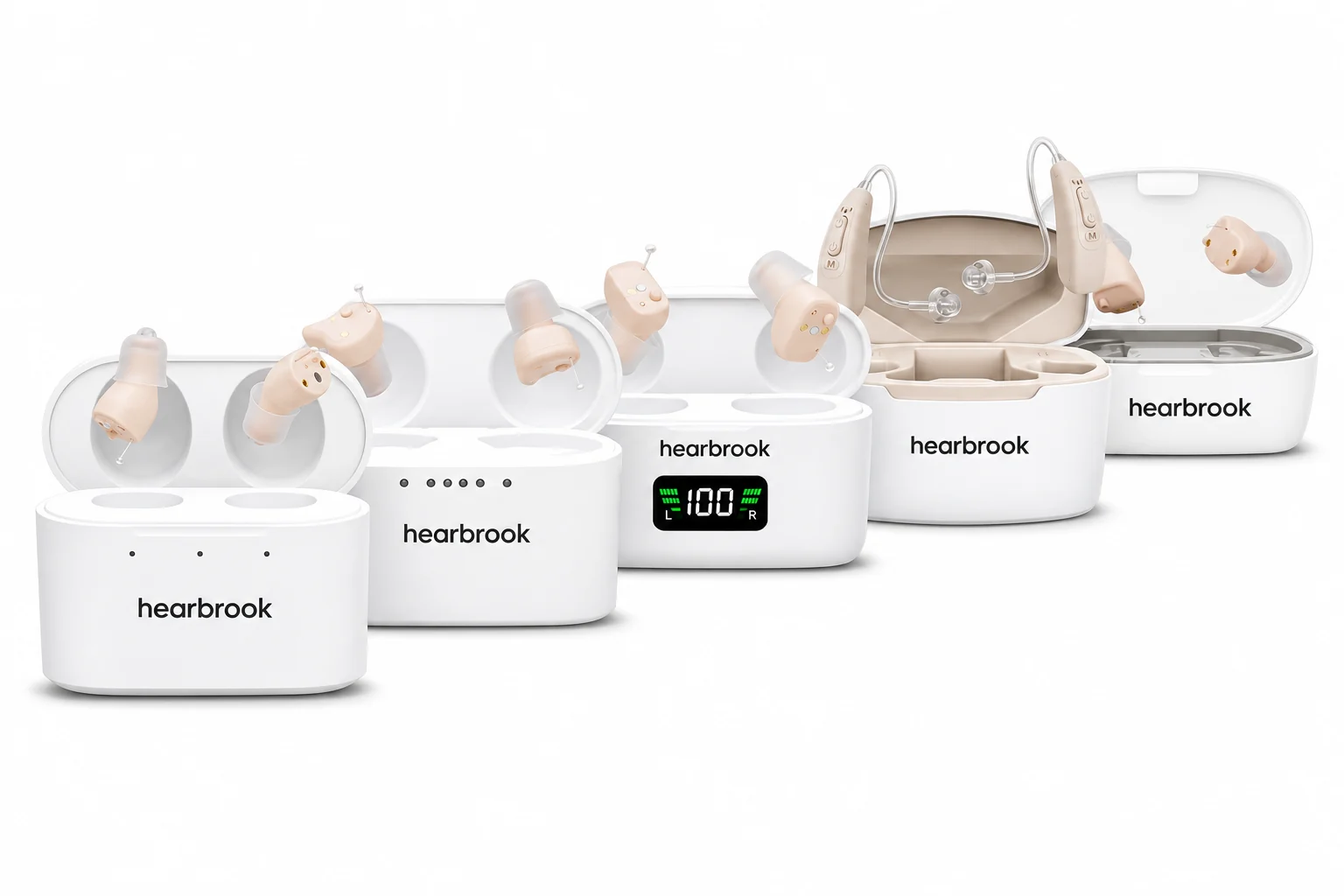
For streaming, ask what is supported by the exact model and the phone or television you use. For daily handling, think about changing volume, putting the devices in a case, and keeping small parts organized. The model comparison keeps confirmed differences together, and the printable buying checklist helps record your questions.
Separate streaming, app control, phone compatibility, and television connections before buying a Bluetooth hearing aid.
Read the guideHelp a parent compare hearing aids without taking over the decision or overlooking handling, setup, and support needs.
Read the guideCompare room listening, captions, streaming, and assistive devices without assuming your television connects to every hearing aid.
Read the guidePlan seating, conversation, and useful observations for restaurant listening without expecting a hearing aid to remove every sound.
Read the guideKeep the instructions for the supplied model close by. Start in a familiar, quiet setting, check the fit and volume, and note what is easy or difficult. Avoid changing several settings at once: a clear description helps when asking for support.
Cleaning and charging instructions differ between models. Use the supplied equipment, keep devices dry, and ask before using a cleaning liquid or an unfamiliar charger. Ongoing pain, sudden hearing changes, or other hearing-health concerns belong with a healthcare professional rather than a self-guided troubleshooting routine.
Keep charging, cleaning, storage, and troubleshooting organized without relying on an unverified battery-life claim.
Read the guideOrganize fitting, charging, familiar listening situations, and support questions during the first week with a new hearing aid.
Read the guideOrganize a safe, model-specific response to hearing aid whistling without pushing the device deeper or treating symptoms as a fit problem.
Read the guideCheck dates, included items, return instructions, shipping records, and refund questions before returning a hearing aid.
Read the guideOTC means over the counter. This category is intended for adults with perceived mild to moderate hearing loss and can be purchased without a prescription.
No. The intended use matters. Hearing aids address hearing loss; personal sound amplification products are intended for people with normal hearing in particular listening situations.
No. Phone streaming, app control, and television connectivity are different features. Compatibility must be checked for the exact device and source.
Start with the person who will wear the devices. Discuss the situations that are difficult, the fit and controls they prefer, and whether professional hearing care should come first.
Our guides link to public resources from the FDA and NIDCD. Product descriptions come from the information shown on our product pages. Read our editorial standards and when to seek professional help.