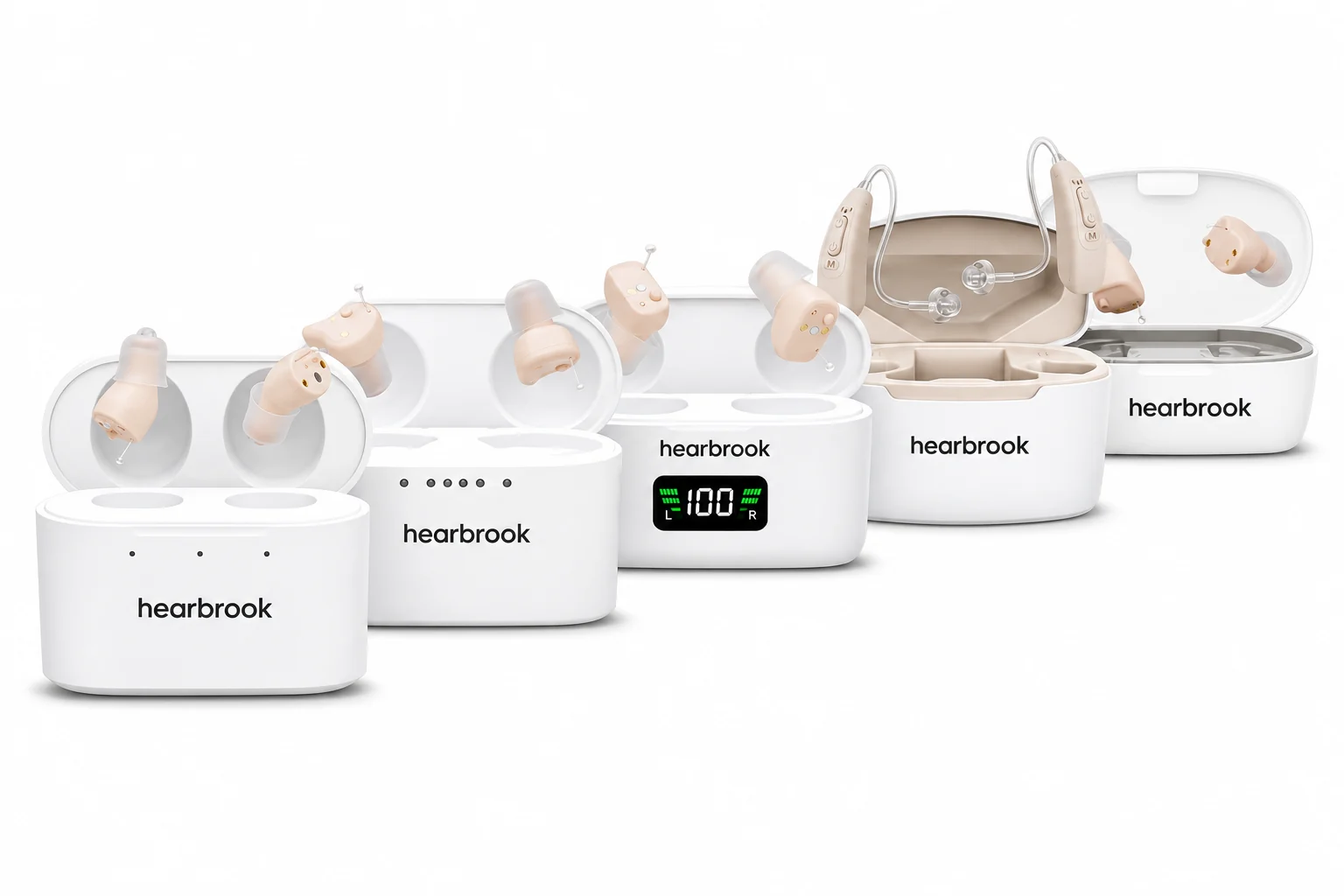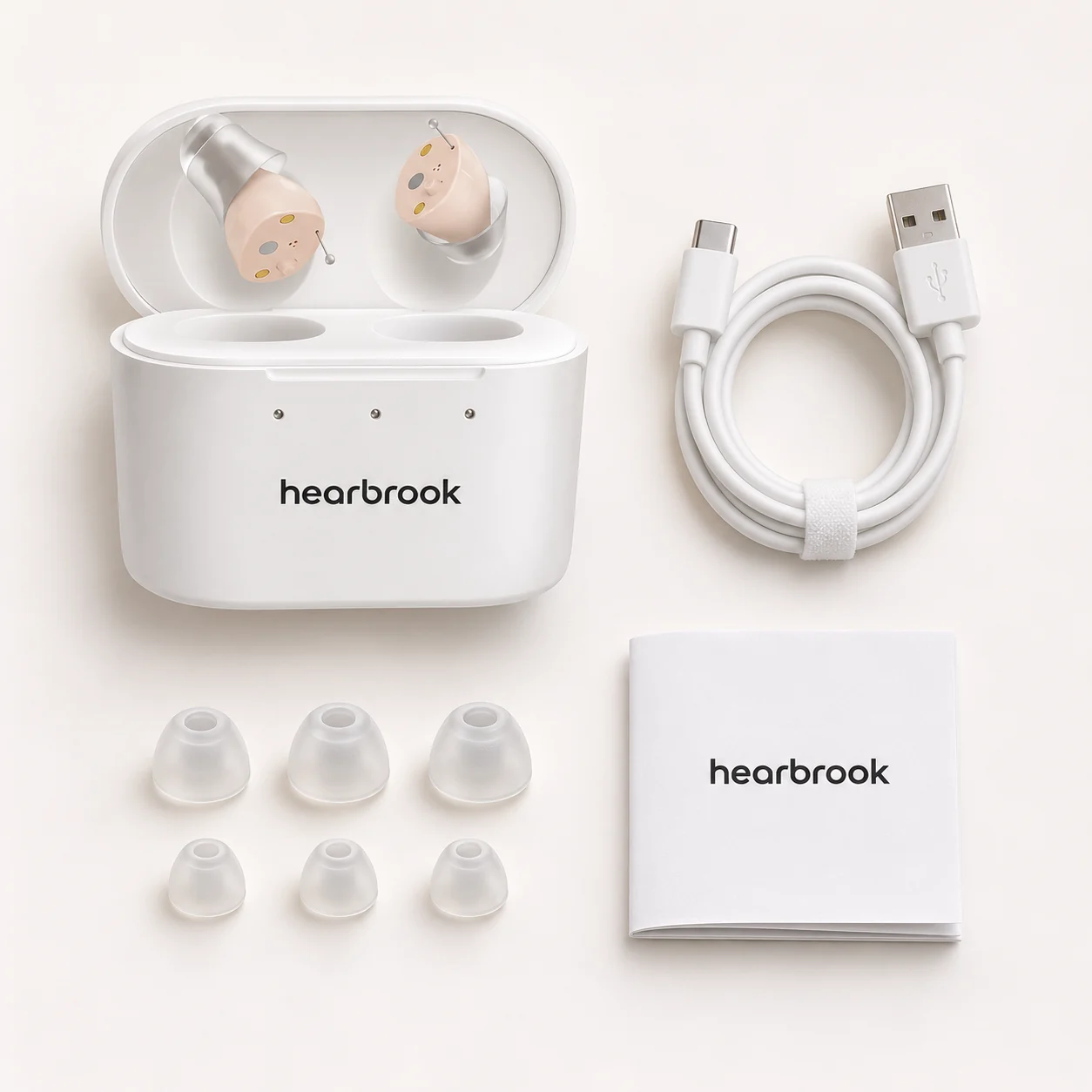

Before returning a hearing aid, read the policy that applied to your order, confirm the action required by the deadline, request the seller’s return instructions, and keep shipping and refund records. A return because the product is unsuitable and a warranty claim for a defect are different processes; choose the one that matches your request.
What to keep in mind
- Confirm whether the deadline concerns requesting, mailing, or receiving a return.
- Do not mail to an assumed address or use instructions for a different seller.
- Keep the order record, return request, label, and carrier receipt together.
Check the policy before the deadline becomes urgent
The FDA recommends considering trial periods, nonrefundable fees, and warranty coverage when buying hearing aids. Make those questions part of the purchase record rather than waiting until a problem occurs. Save the policy relevant to the order, because a short promotional banner may not describe the complete return process.
Read what begins the return period and what must happen before it ends. Requesting a return, handing a package to a carrier, and having it received are different actions. If the wording is unclear, ask the seller to confirm the required action in writing before relying on your interpretation.
Decide what outcome you are requesting
You may want a refund because the device does not suit you, an exchange for another model, or assistance with a device that appears faulty. State the preferred outcome clearly. Support may offer troubleshooting, but receiving advice should not make your actual request ambiguous or replace it without your agreement.
Check the warranty separately if the device has a defect outside the return period. Ask what is covered, how shipping is arranged, and what records are required. Do not assume that a repair promise extends a refund deadline or that a return period automatically provides continuing repair coverage.
Gather the items and the records
Use the order confirmation to identify what was purchased and the instructions to identify the product components. Ask which parts must be returned and how used ear tips should be handled. Do not add unrelated accessories to the package because they happen to be stored in the same drawer.
Keep the order number, delivery record, return request, and reply together. A photograph of the contents before closing the package can help you remember what was included. Remove personal notes that are not required for the return, and never include a payment card or written account password.
Use the return address and shipping method supplied for the order
A shipping label on the original parcel is not necessarily a return instruction. The seller may use a different facility or require an order reference. Obtain the return directions and check the recipient information before mailing. If a prepaid label was promised and has not arrived, ask for it rather than guessing.
Pack the items so they are not loose and follow the supplied instructions for rechargeable products. Keep the carrier receipt and tracking details. If tracking is delayed or a package is marked delivered, record that information and ask the seller which step comes next. Do not post your full return label publicly.
Follow the refund through to the agreed outcome
For Hearbrook orders, the current return policy provides a 100-day period from delivery, a prepaid return label, and refund processing within 5 business days after the return arrives. Review the full policy for the applicable details and start the request at the return form.
After sending the return, keep any refund confirmation with the tracking record. If an amount differs from what you expected, ask for an itemized explanation tied to the policy. Use the contact form for an unresolved question. Your record should make it possible to identify the order, the agreed outcome, and the remaining action without repeating the whole history.
Common questions
Can I send a return to the address on the original package?
Do not assume that is the return address. Request the seller’s instructions and use the label or address supplied for your return.
Is a warranty claim the same as a refund request?
No. A warranty and a return policy can cover different situations. Read both and state the outcome you are requesting.
Sources & updates
This guide links to public hearing-health information and practical product-selection resources. It has not been presented as a clinical assessment or an individual treatment recommendation.
- FDA: How to Get Hearing Aids ↗Accessed 2026-11-13
Find our editorial and corrections policy. Notice something that needs updating? Send a correction.