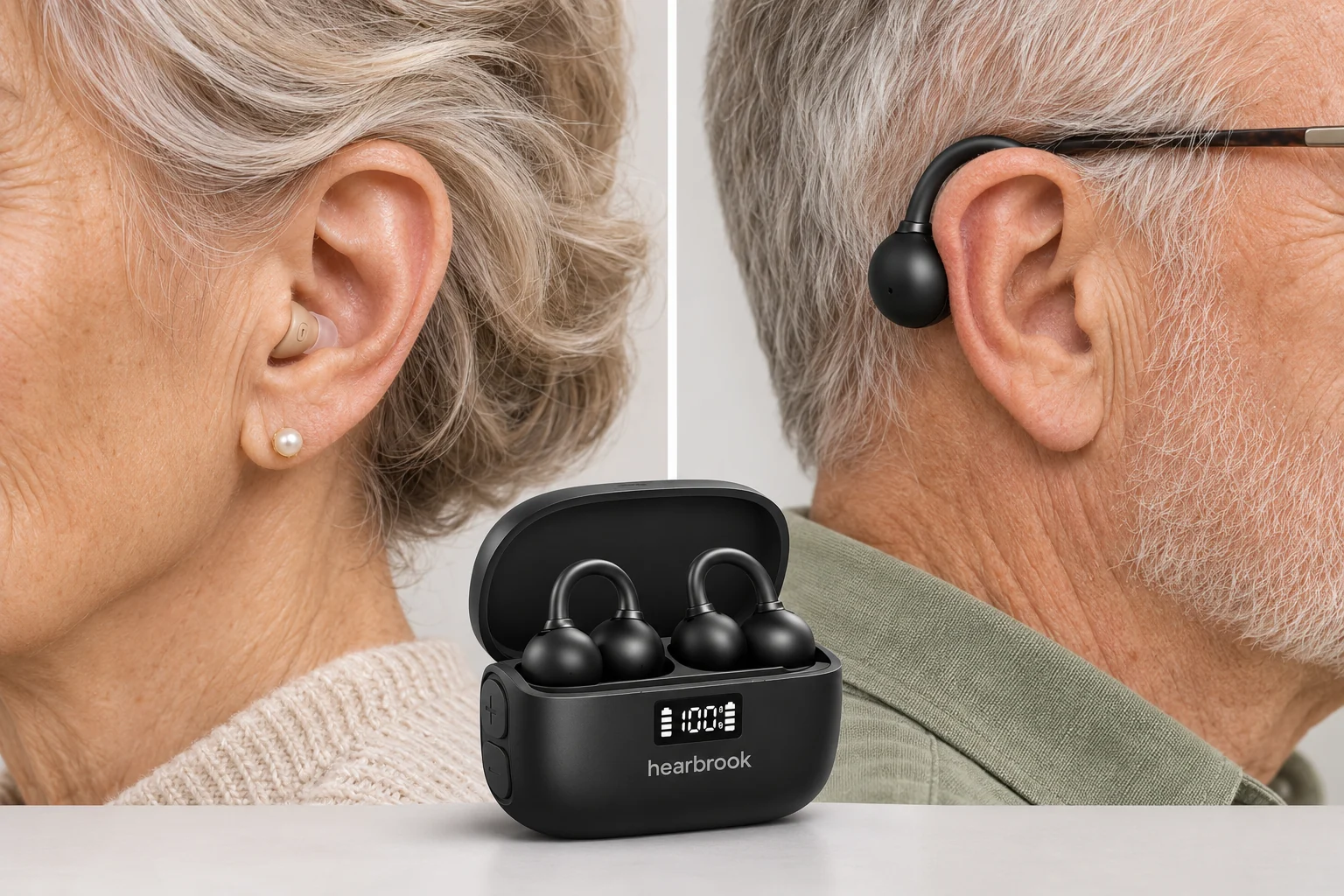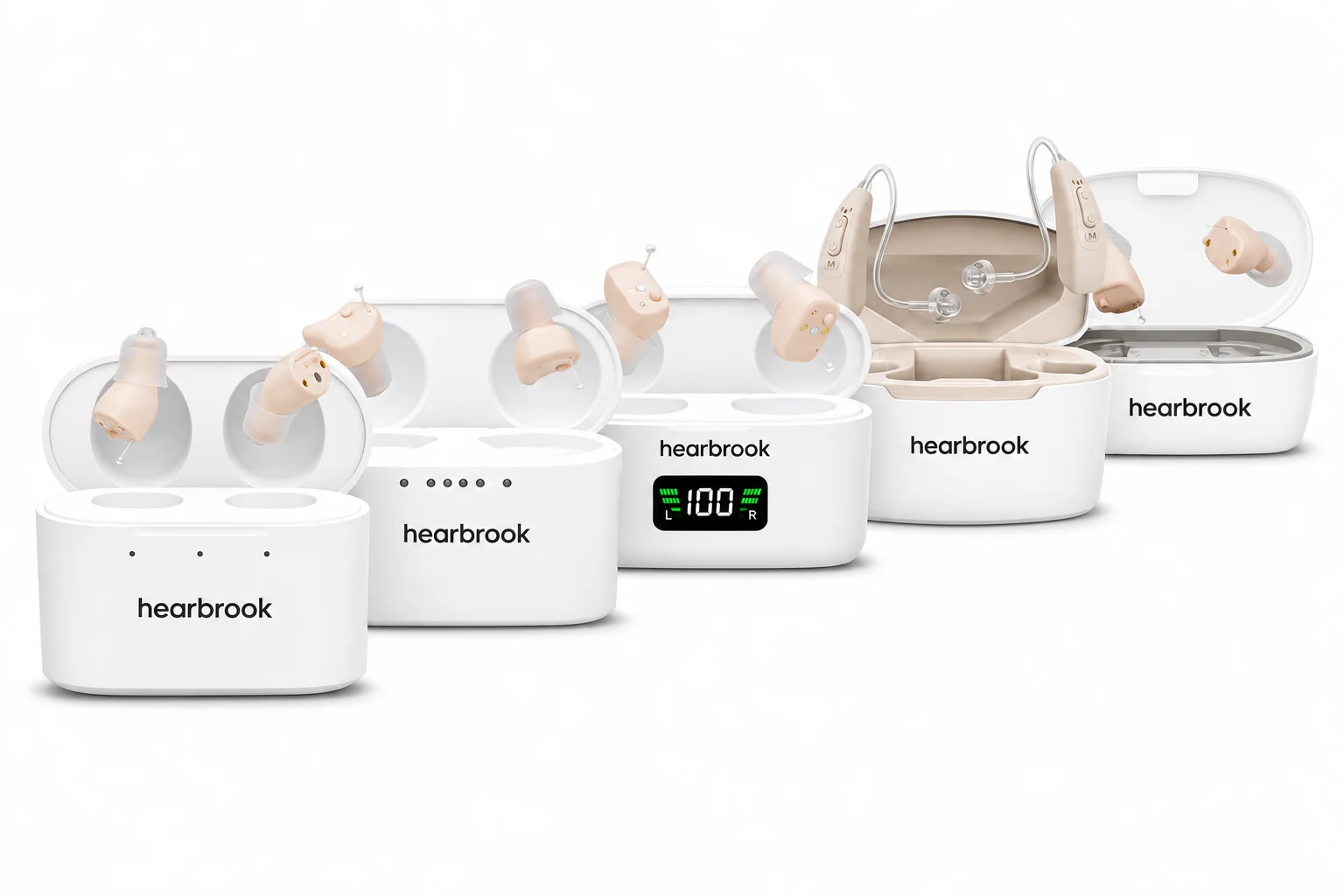

Restaurant listening involves the room, the seating, the conversation, and the hearing aid together. Ask for a quieter location, keep the people you want to hear in view, and use only the listening settings documented for your model. A restaurant is not a fair place to expect a hearing aid to remove every competing sound.
What to keep in mind
- Ask about the seating before the meal begins.
- Change the arrangement before making repeated, unexplained setting changes.
- Describe what was difficult when seeking adjustment or professional help.
Make the reservation part of the listening plan
NIDCD advises asking for quiet restaurant seating and avoiding a place near a kitchen or live music. Use that advice as a practical question when booking: can the restaurant offer a quieter area where the group can see each other? The request gives staff something concrete to help with.
Do not assume that an attractive photograph shows how a room will sound during your visit. Ask about live entertainment or another event if it matters to the meal. If the group can choose the location, include the person with hearing difficulty in that decision rather than deciding that they should simply cope.
Choose a conversation you can take part in
When sitting down, look at the people you want to speak with and the practical space available for turning toward them. A place that requires repeatedly looking behind you can make the conversation harder to manage. Ask to move while the group is still getting settled if the arrangement is unsuitable.
Explain the useful change plainly: “Please face me when speaking,” or “Could we keep the conversation in this part of the table?” There is no need to turn the meal into a hearing demonstration. The aim is to keep the conversation accessible without making the person with hearing difficulty the subject of it.
Use documented controls rather than guessing
Before leaving home, know how to return the hearing aid to its ordinary setting. If the model has a listening option intended for a noisy situation, read its instructions in advance. Do not assume that a button changes programs rather than volume, or that every product provides the same settings.
If you make an adjustment during the meal, note the setting you started from. Avoid repeatedly changing controls while also changing seats and conversation partners. A clear sequence makes it easier to describe what happened afterward. If adjusting the sound becomes uncomfortable, stop rather than treating a louder setting as the automatic answer.
Keep useful notes without turning dinner into a test
Afterward, record the situation in ordinary words: where you sat, who you were speaking with, and which part of the conversation was difficult. Separate hearing the nearby person from following someone across the table. These are different tasks, and a support request can be more useful when that distinction is clear.
Ask the person wearing the hearing aids for their assessment rather than judging from whether they answered quickly. An observer cannot know how much listening effort was involved. A short description such as “nearby conversation was manageable, but I lost track when several people spoke” is useful without pretending to be a clinical measurement.
Know what question to take to support
For a control or fitting question, contact the device’s product support with the model and documented setting. Ask whether there is a relevant adjustment or instruction you have overlooked. Do not accept an explanation based on a feature that the model’s own instructions do not list.
If restaurant listening remains a major obstacle, discuss it with a hearing health professional. Bring your notes and explain which settings and arrangements were tried. The next step should answer that specific difficulty, rather than replacing devices solely because another advertisement promises effortless conversations in every noisy room.
Common questions
Should I always turn up the volume in a restaurant?
No. Follow your device instructions and avoid uncomfortable sound. Check seating and ask for help with the model’s settings.
Is a noisy meal enough to judge a new hearing aid?
Record what happened, but evaluate the device in the ordinary situations that matter to you too. Seek help when the difficulty remains unresolved.
Sources & updates
This guide links to public hearing-health information and practical product-selection resources. It has not been presented as a clinical assessment or an individual treatment recommendation.
- NIDCD: Age-Related Hearing Loss ↗Accessed 2026-11-13
Find our editorial and corrections policy. Notice something that needs updating? Send a correction.